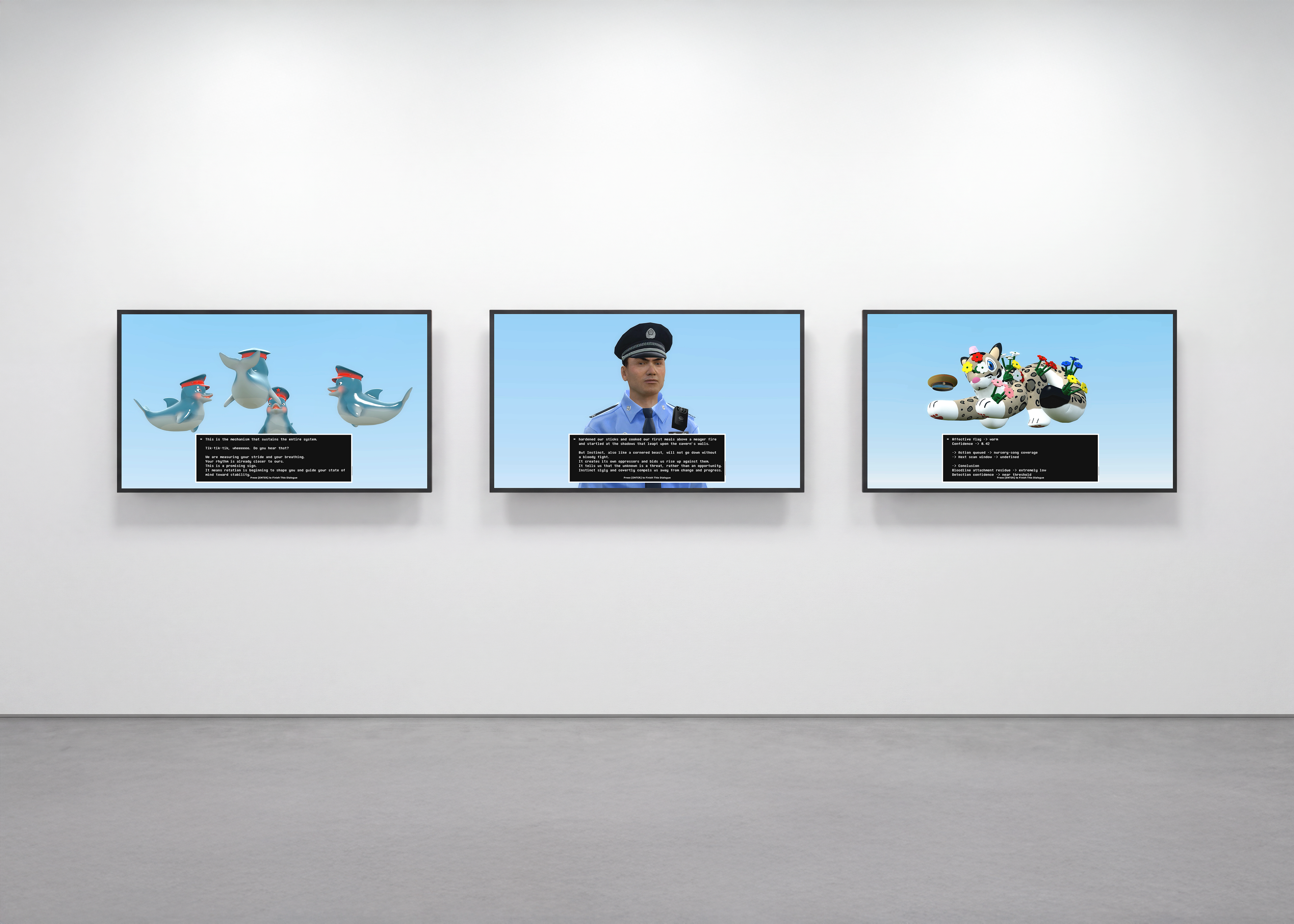
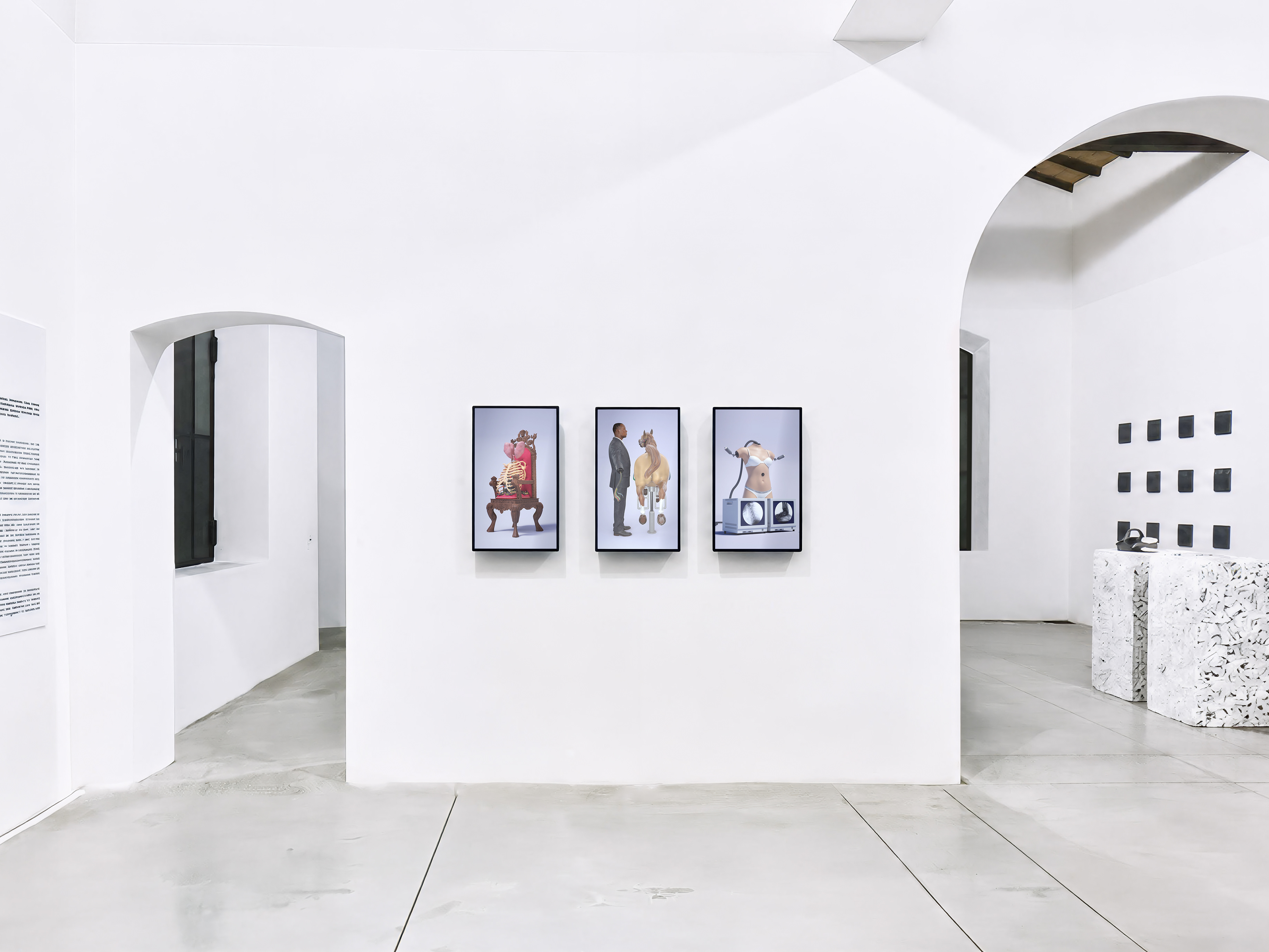
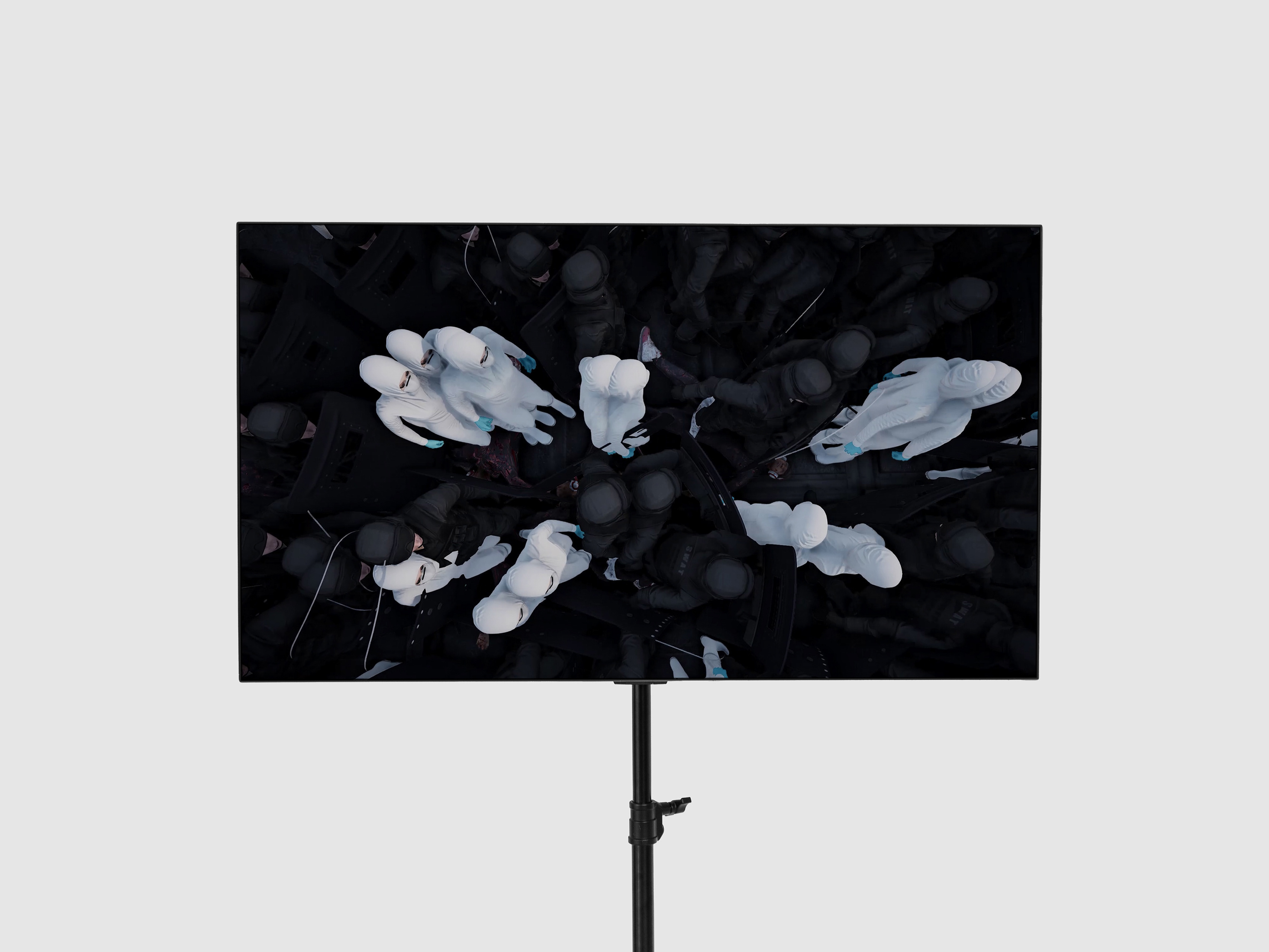
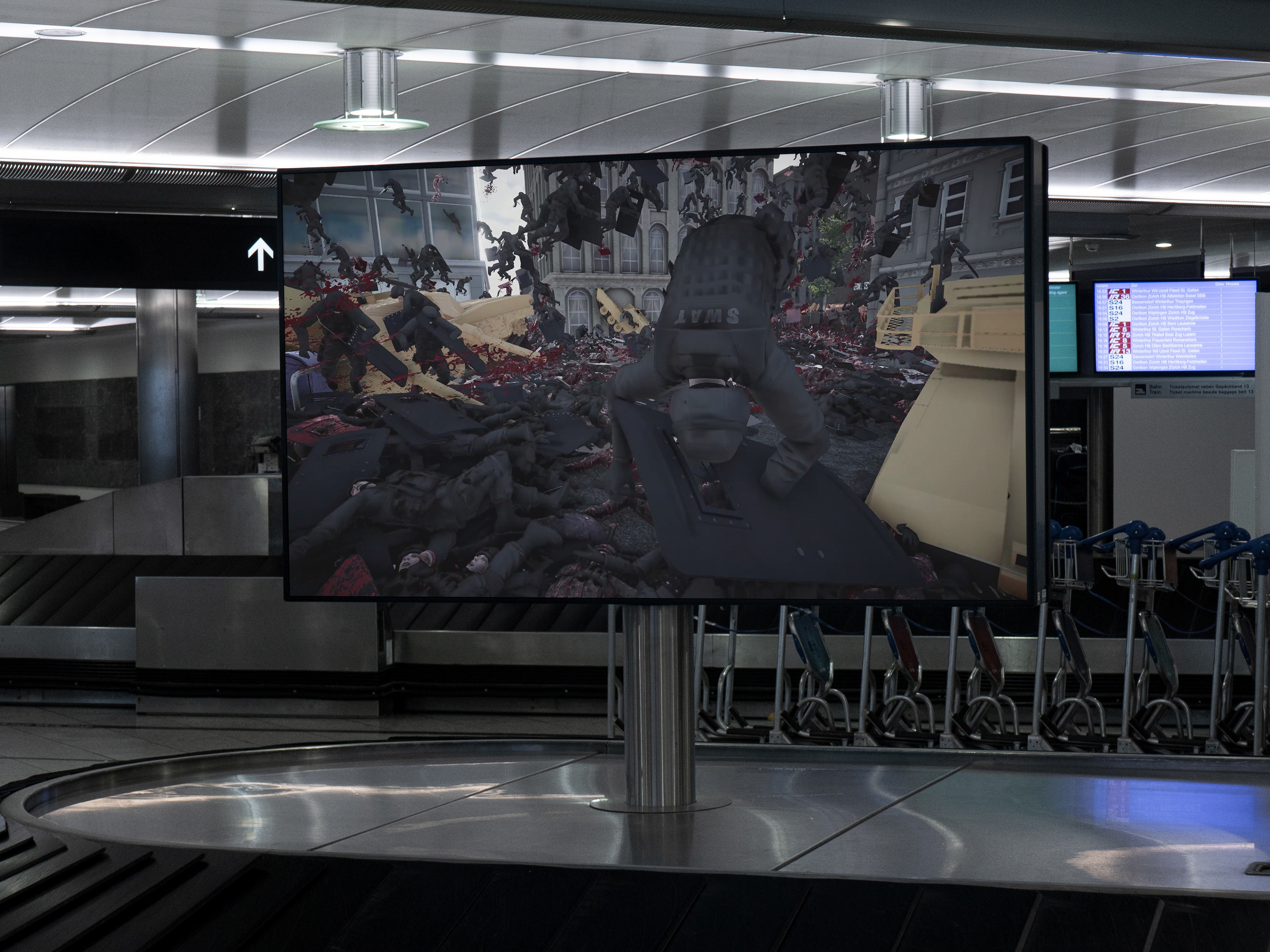
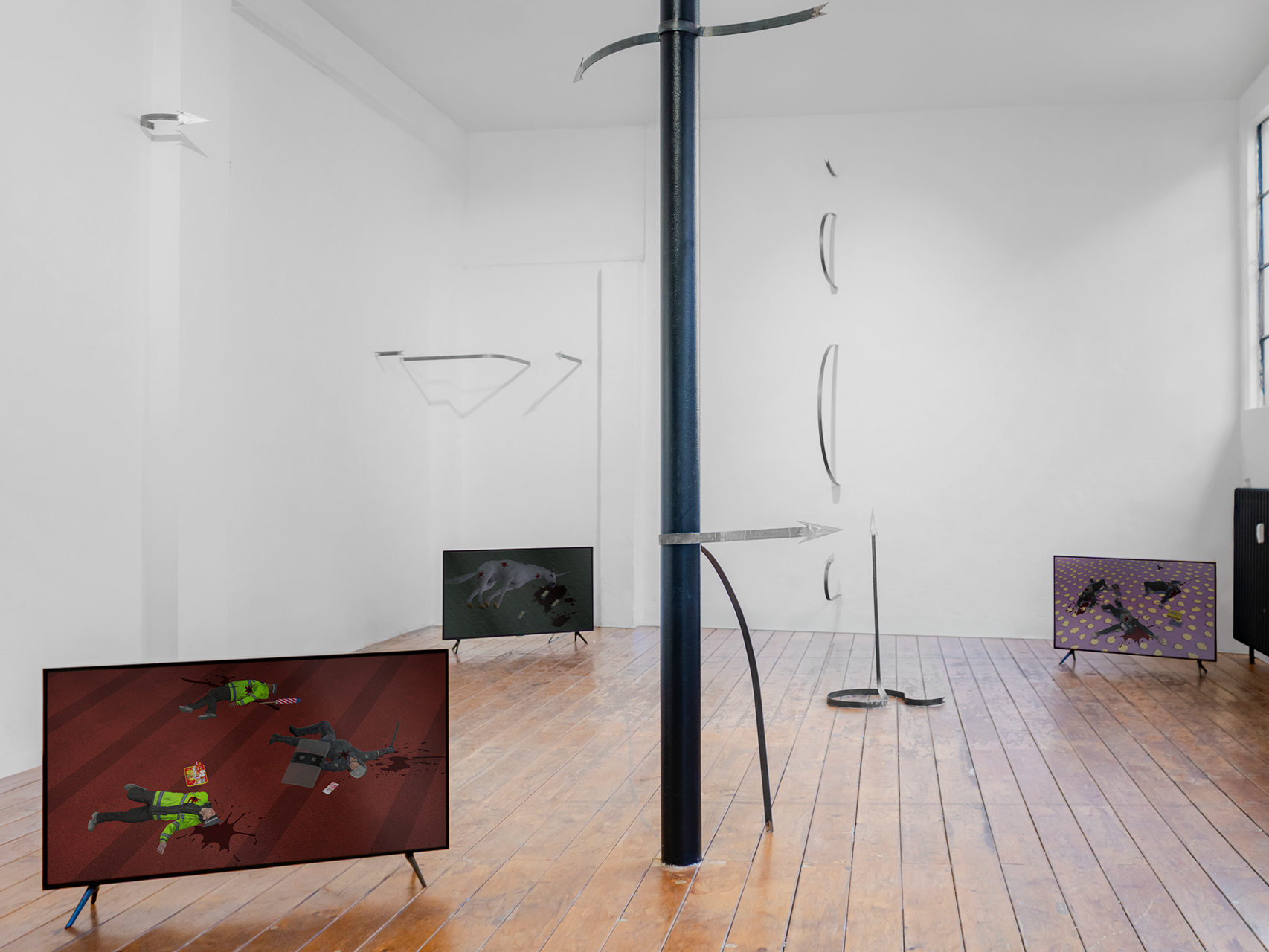
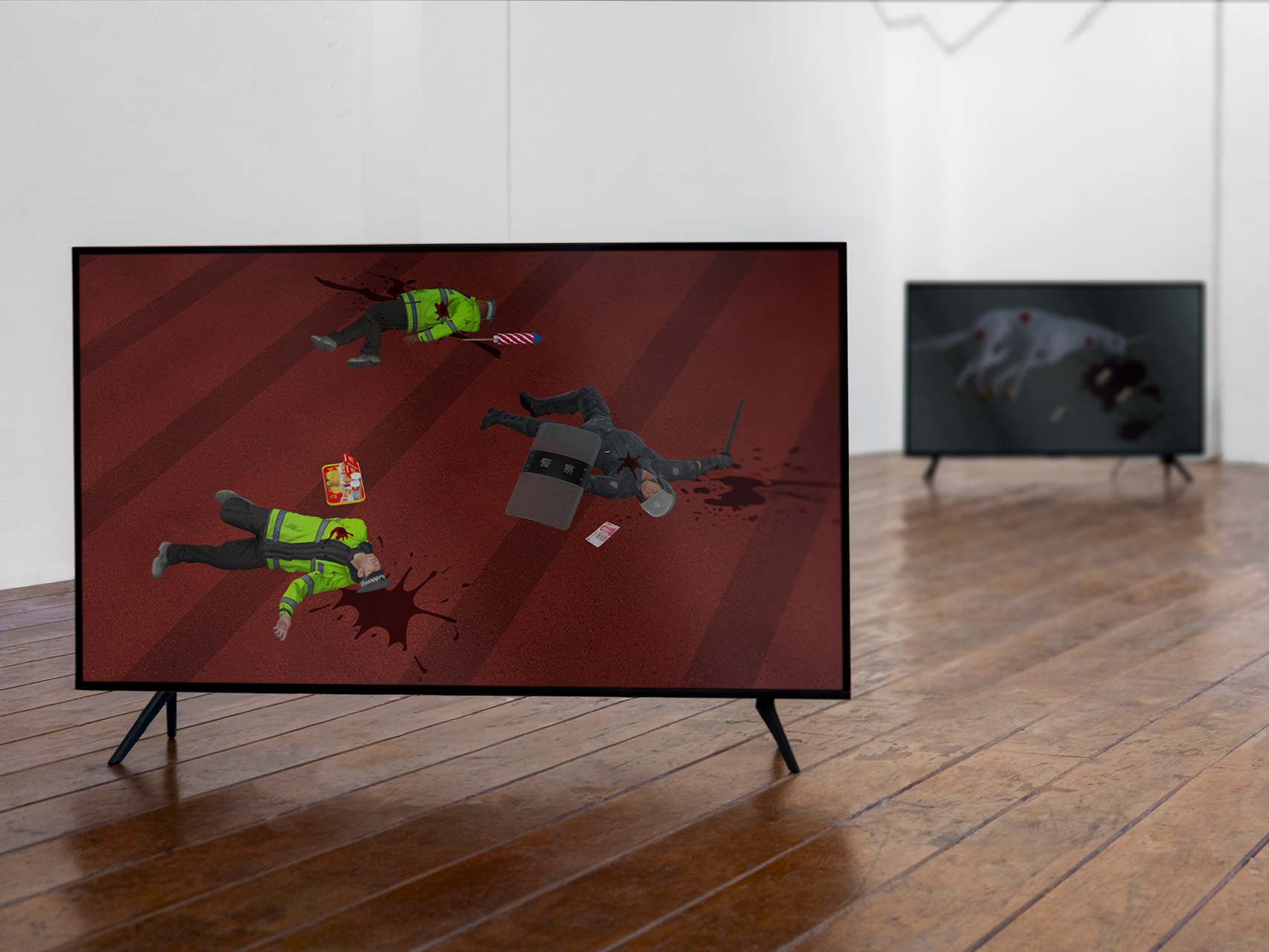
This three-channel video work is built around an NPC dialogue system generated inside a game engine. It creates a closed and highly programmed worldview described as a Republic. The work does not rely on story development or dramatic events. It instead uses very long and hard-to-read NPC texts as its main narrative tool. The act of viewing becomes an experience of time being occupied by a system. The viewer is not asked to understand. The viewer is required to stay, wait, and endure a constant flow of information. This situation mirrors a player character trapped in a dialogue state by the game itself.
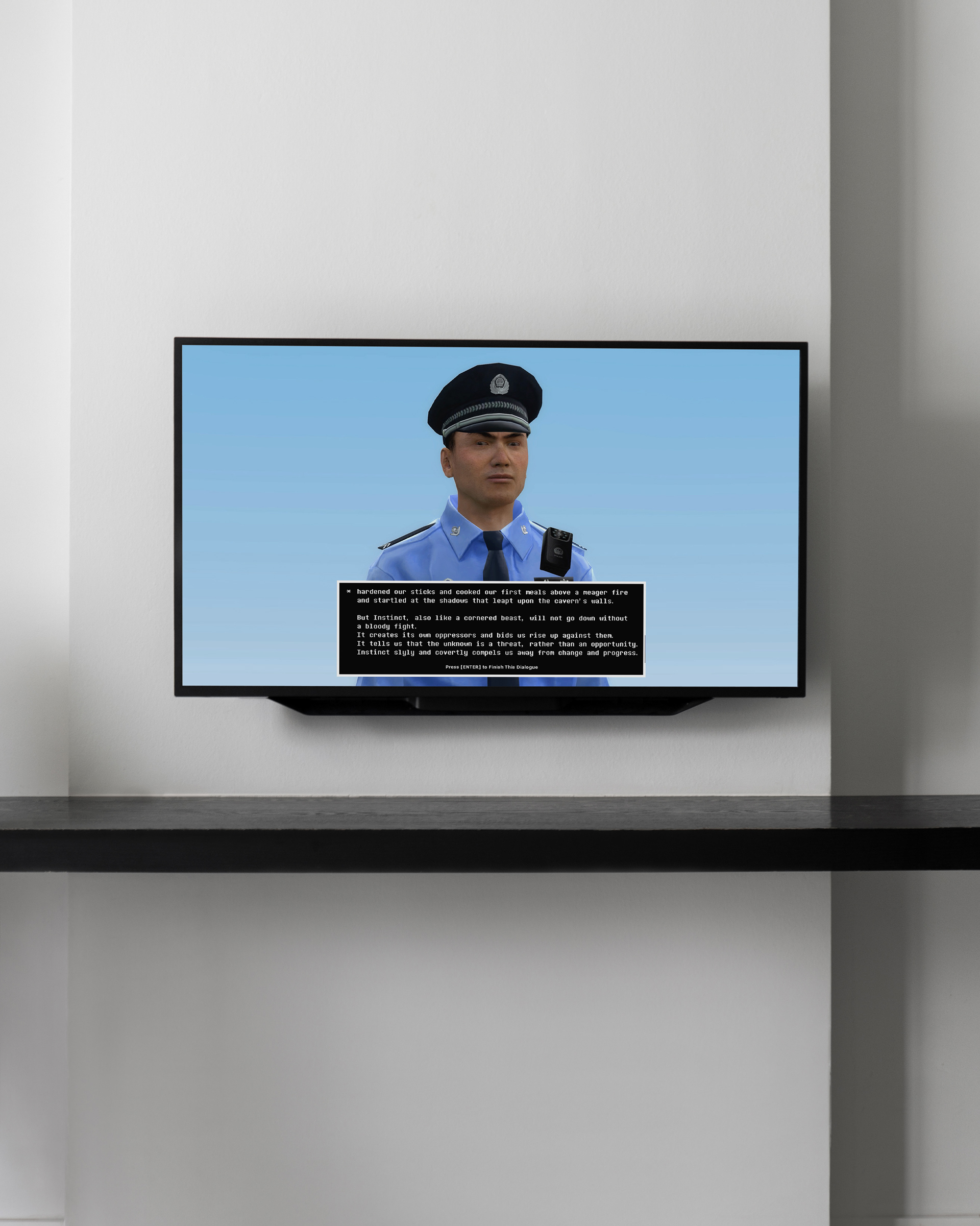
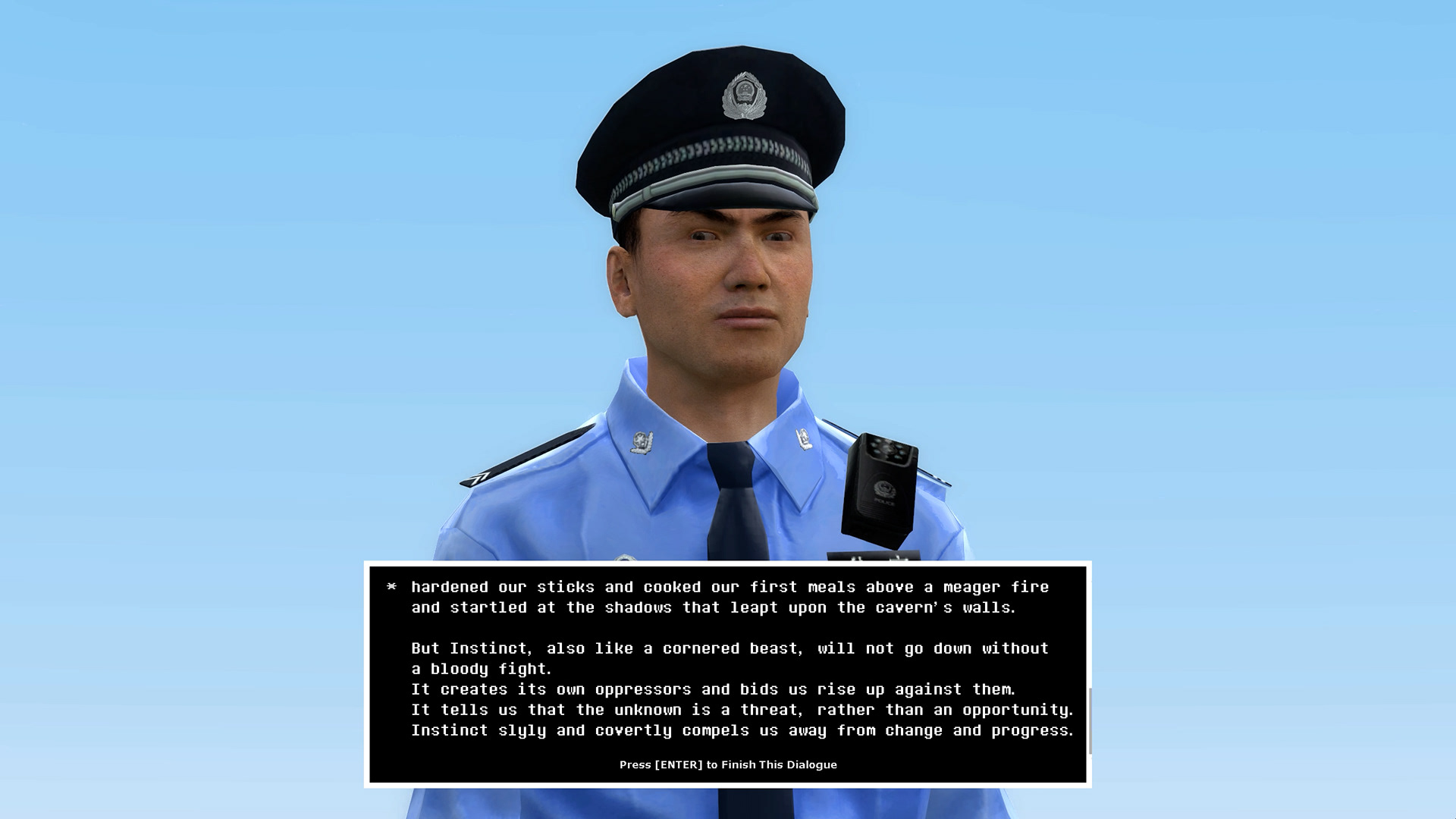
On the central screen, the NPC appears wearing a Chinese police uniform. He acts as a representative of the Republic and as an interpreter of its ideology. His language remains calm and internally consistent. It avoids direct violence and emotional threat. Through repeated use of terms such as progress, collaboration, future, and rational planning, he performs a slow and systematic purification of family, bloodline, instinct, and personal desire. This extended and controlled form of persuasion presents power as logical, self-justifying, and beyond question.
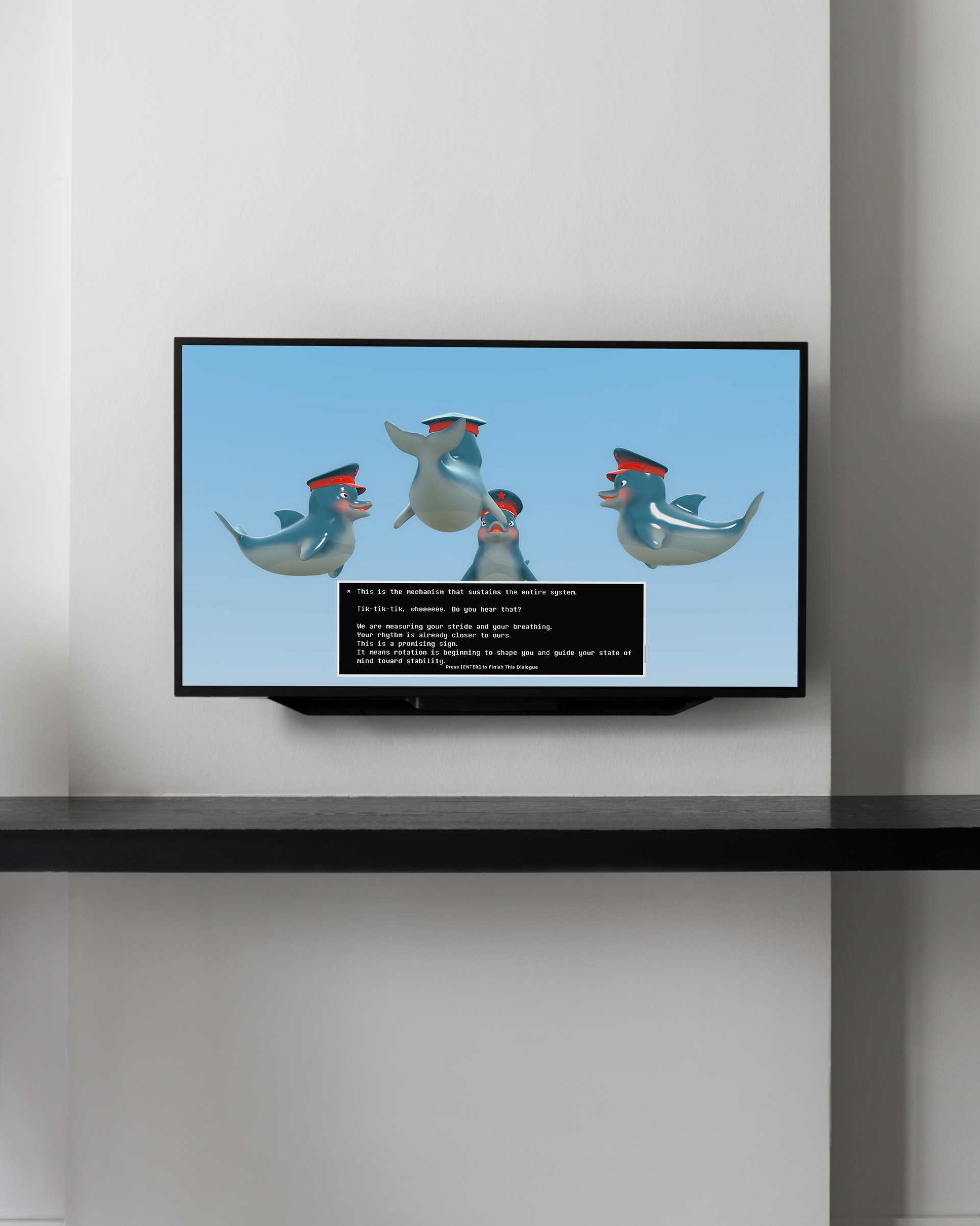
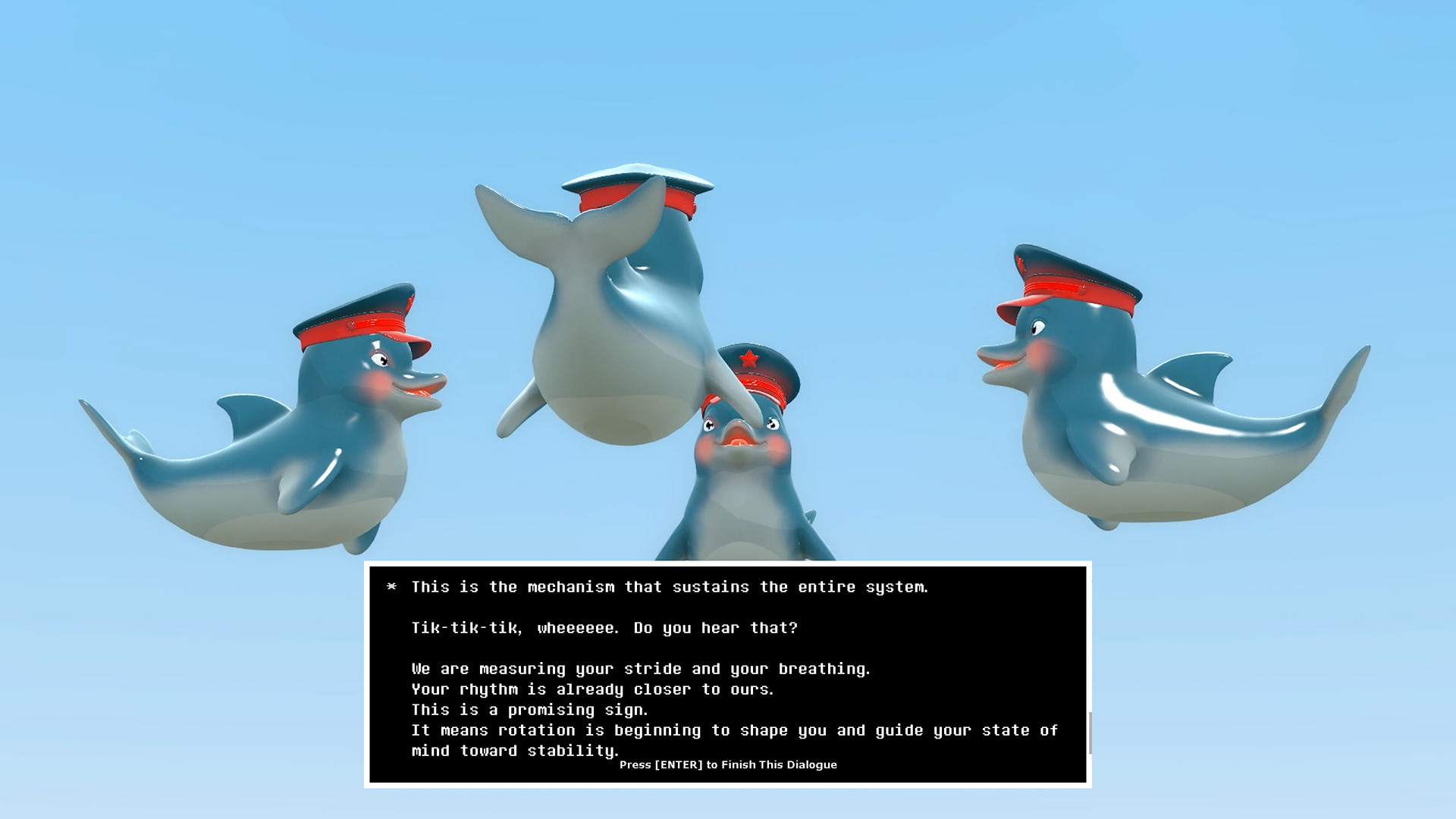
The left screen shows an NPC made of four dolphins wearing police hats. They rotate endlessly in mid-air. Through rhythm, formation, and repeated speech, they function as a moving disciplinary system. Rotation works both as visual motion and as a psychological adjustment. Rhythm reshapes the individual. Repetition reduces difference. Order appears natural and is framed as safety.
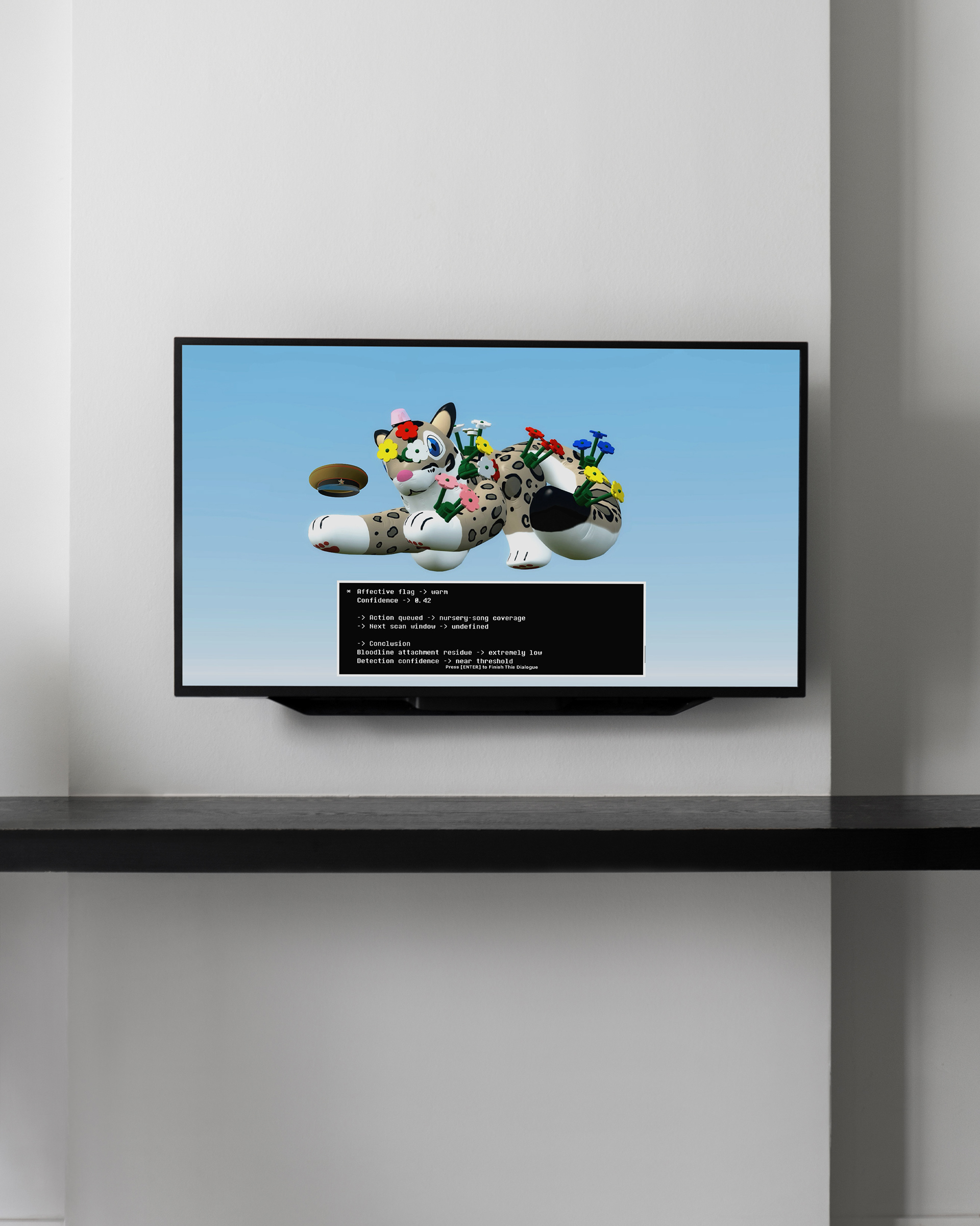
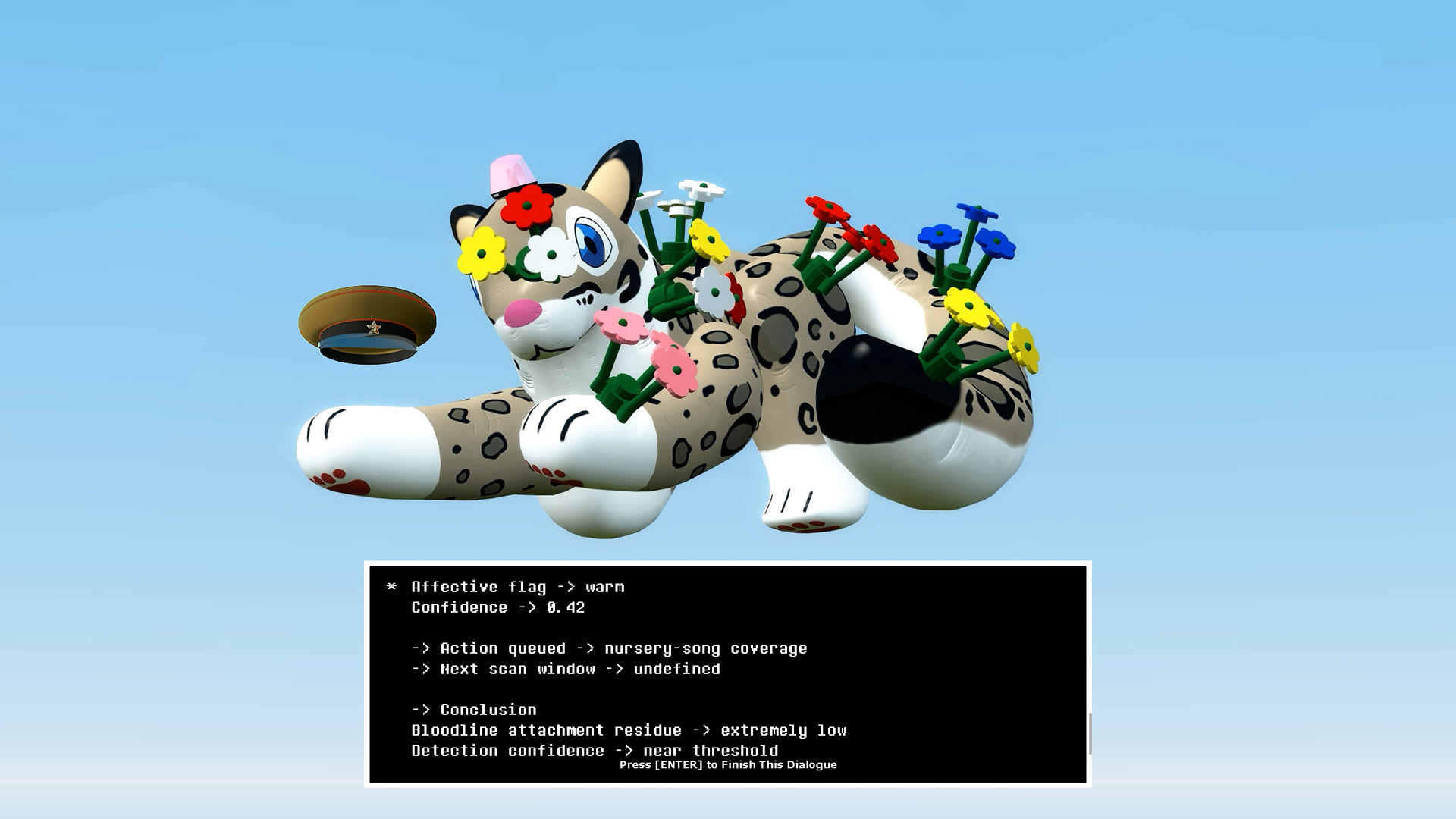
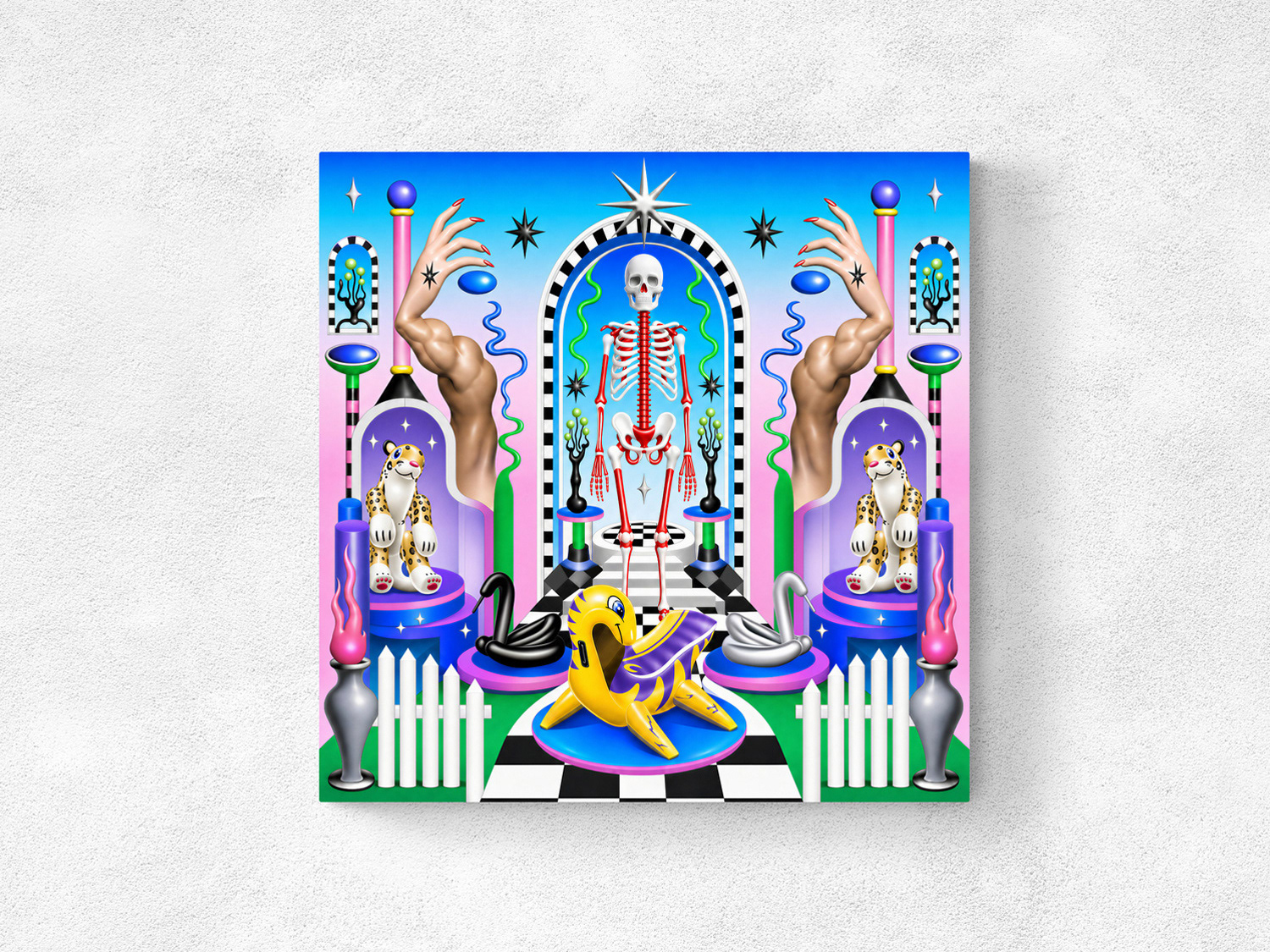
On the right screen, the NPC takes the form of an inflatable Big Cat toy. It combines features of toys, teaching tools, and surveillance devices. It speaks in a soft and playful tone. It scans, measures, and sorts emotional and memory traces in child viewers. Attachments to bloodline, private ownership, and heroic fantasy are converted into measurable residue values. These values are overwritten through nursery songs, shared rhythm, and positive feedback. By shifting ideological force into early childhood, the work shows how control can appear gentle and harmless while still being deeply effective.
The three screens form a single system rather than a simple comparison. Each screen targets a different level of control. Language addresses rational thought. Rhythm shapes the body. Emotional calibration works at a subconscious level. Together, they describe a form of power that does not depend on clear acts of violence. This power works slowly. It shapes the player over time through calm, continuous, and procedural processes of purification.